Probiotics and Antibiotics: What the Evidence Actually Says
“Take a probiotic with your antibiotics” is among the most repeated pieces of health advice online. The actual evidence is narrower, more conditional, and more interesting than the slogan.
01What the reviews support — and what they do not
Systematic review summaries report moderate evidence that co-administering certain probiotic preparations with antibiotics may reduce antibiotic-associated diarrhoea in some settings. That is a real finding. It is also a narrow one.
Results vary by preparation, by species and strain, by dose, by population and by study design. Evidence generated using a product in a clinical trial cannot automatically be transferred to a retail supplement that may differ in organism identity, manufacturing quality and viable count. The honest summary is not “probiotics work with antibiotics” but “particular preparations may be useful in particular clinical circumstances”.
02The NHS does not speak with one voice
Some NHS bodies operate defined probiotic protocols for selected higher-risk patients. Other NHS organisations explicitly do not support routine prescribing, judging the evidence of clinical benefit insufficiently clear to justify it.
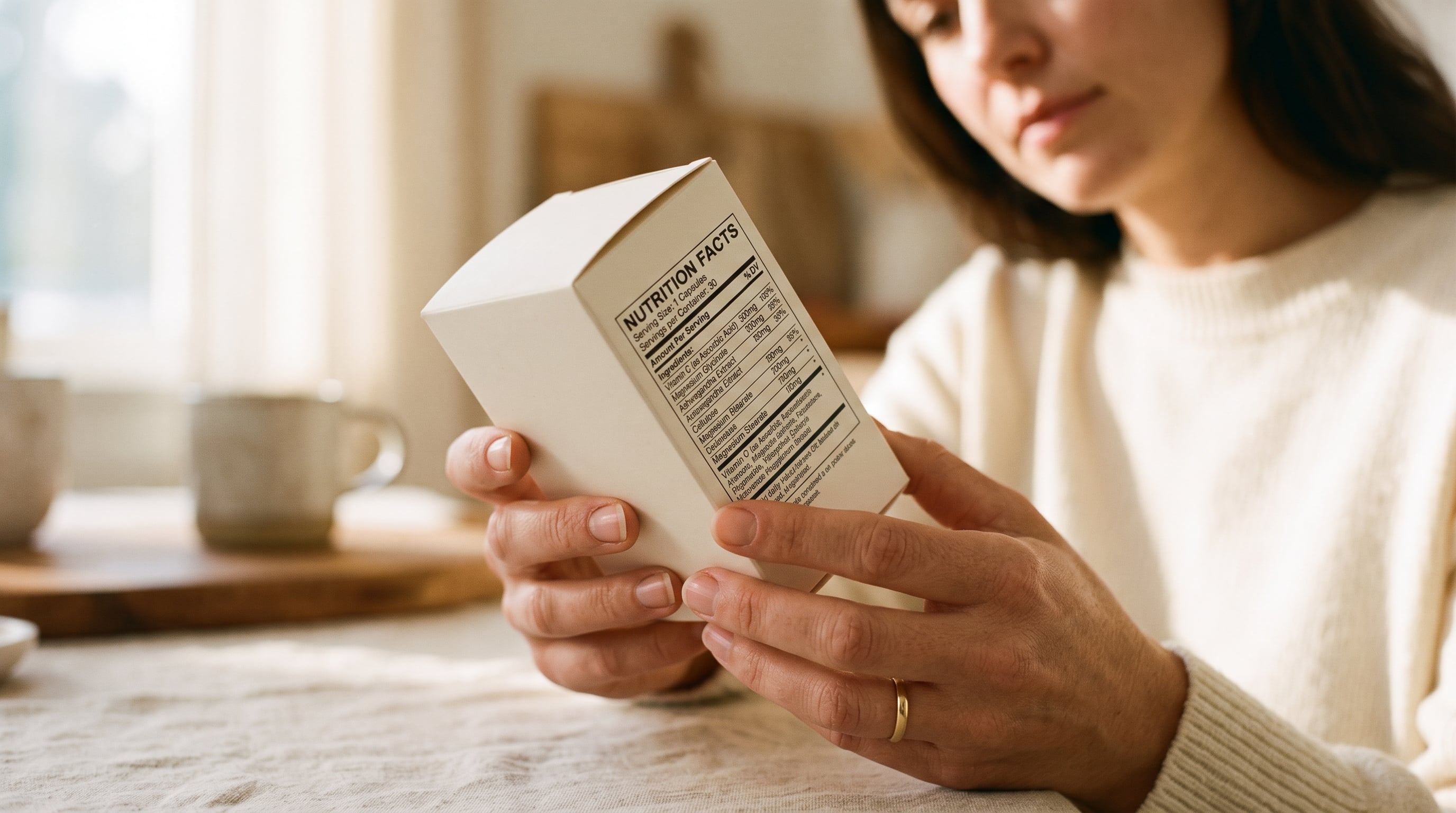
NHS consumer guidance is more cautious still, noting that evidence for many advertised probiotic benefits is limited and that shop-bought products may differ substantially from the preparations used in trials. If clinicians looking at the same literature reach different conclusions, a supplement website claiming certainty is not being straight with you.
03The two-hour gap
The most frequently repeated practical tip has a real origin: some NHS clinical protocols advise administering a probiotic at least two hours before or after an antibiotic dose, rather than simultaneously. Certain protocols start the probiotic alongside the antibiotic course and continue it for seven days after the course finishes.
Read that carefully. It is clinical protocol guidance written for defined patient groups — not universal consumer advice. Appropriate timing and duration can depend on which antibiotic, which preparation, which diagnosis and which patient. Follow the instructions on your own products and ask a pharmacist about your own situation.
04Claims that go too far
Evidence about reducing antibiotic-associated diarrhoea gets routinely rewritten into much larger claims. It does not establish that a supplement restores the microbiome, reverses antibiotic damage, prevents IBS after antibiotic exposure, makes a course of antibiotics safer, or should be taken by everyone prescribed one. The role of probiotics in preventing IBS following antibiotic exposure remains under investigation.
A supplement should never lead anyone to change, delay or stop prescribed antibiotics. Finish the course as directed.
05Who needs to take particular care
Live cultures are generally described as safe for people with healthy immune systems. Caution is required for medically vulnerable groups, and NHS protocols commonly exclude or individually assess:
- people who are immunocompromised or neutropenic
- those receiving immunosuppressants or recent chemotherapy
- people at risk of aspiration, or using certain feeding tubes
- those affected by conditions such as acute pancreatitis
Important information
Food supplement. Not intended to diagnose, treat, cure or prevent any disease. Not a substitute for a varied and balanced diet or a healthy lifestyle. Keep out of reach of young children. Do not exceed the recommended daily dose. If you are pregnant, breastfeeding, taking medication or have a medical condition, consult your doctor or pharmacist before use. Individual results may vary.
This article is general information about probiotics as a category. It is not medical advice and does not describe outcomes of any specific product. Always speak to your GP or pharmacist about persistent digestive symptoms.